Yes — and more people are doing it successfully than you’d think. Solo entrepreneurship has grown massively over the last few years, partly thanks to remote tools, AI assistants, and lower barriers to reaching customers online. But it’s not as simple as “just start” — running everything alone requires a different kind of discipline than leading a team.
Direct answer: Solo entrepreneurship means building and running a business independently, without co-founders or employees, relying on automation, outsourcing, and disciplined systems to handle tasks a team would normally cover.
Pick a Business Model That Actually Suits One Person
Not every business idea works well as a solo venture. Manufacturing, for instance, is brutally hard alone. Services, content, coaching, consulting, or digital products tend to work far better.
- Service-based businesses (consulting, design, writing)
- Digital products (courses, templates, software)
- Niche e-commerce with outsourced fulfillment
Picking the wrong model is probably the single biggest mistake I see in solo entrepreneurship — people choose ideas that secretly need a team.
Automate Everything You Reasonably Can
If you’re doing everything manually, you’ll burn out within months. Automation isn’t optional here — it’s survival.
Direct answer: Successful solo entrepreneurship relies heavily on automating repetitive tasks like invoicing, email follow-ups, appointment scheduling, and social media posting, freeing up time for the work that actually generates income.
Tools for scheduling, invoicing, and email sequences can realistically save 10-15 hours a week once set up properly.
Outsource What You’re Bad At (Or Hate Doing)
Solo doesn’t mean doing literally everything yourself forever. Hiring a freelancer for bookkeeping or design a few hours a month still counts as solo entrepreneurship — you’re just not carrying full-time employees.
I know a solo consultant in Jaipur who outsources all her invoicing to a part-time freelancer. Costs her maybe ₹3,000 a month. Saves her hours of frustration and mistakes.
Set Boundaries, Because No One Else Will
Without a team or boss, work can quietly eat every hour of your day.
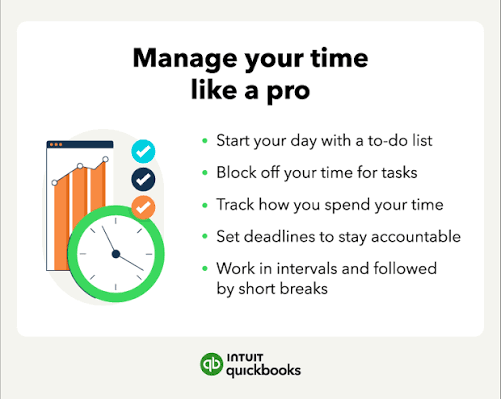
- Set fixed “office hours,” even working from home
- Turn off notifications outside those hours deliberately
- Schedule actual breaks, not just when you collapse from exhaustion
Build a Personal Brand, Not Just a Business Brand
In solo ventures, you often are the brand. People buy from you specifically, not just your company logo.
[link to related guide on digital marketing strategy here]
Manage Finances Like a Professional, Not a Hobbyist
Solo doesn’t mean informal. Keep business and personal finances separate from day one — this single habit prevents massive headaches later during tax season.
Direct answer: Even in solo entrepreneurship, maintaining a separate business bank account and tracking every expense properly is essential for accurate tax filing and understanding true profitability.
Guard Against Isolation
This one surprises new solo founders. Working entirely alone can get lonely fast, and isolation quietly affects decision-making and motivation.
- Join online communities of other solo founders
- Attend local business meetups occasionally, even if it feels awkward
- Consider a co-working space a few days a week for human contact
Know When It’s Time to Hire
Even committed solo entrepreneurs sometimes reach a point where growth demands help. There’s no shame in that — recognizing the right moment matters more than resisting it stubbornly.
FAQ
Is solo entrepreneurship harder than running a business with a team? It’s different, not necessarily harder — you avoid team management headaches but take on more direct workload and decision-making pressure alone.
What tools help most with solo entrepreneurship? Scheduling apps, invoicing software, email automation, and basic project management tools cover most day-to-day operational needs.
Can solo entrepreneurship scale into a bigger business later? Absolutely, many successful companies started as solo ventures before the founder eventually hired their first employees.
How do solo entrepreneurs handle sick days or vacations? Automation, pre-scheduled content, clear client communication about response times, and sometimes temporary freelance help cover gaps.
Is solo entrepreneurship suitable for every industry? No, it works best for service, digital, or knowledge-based businesses rather than industries requiring heavy physical labor or large-scale operations.
Conclusion
Solo entrepreneurship isn’t for everyone, but for the right person with the right business model, it offers real freedom and control that team-based ventures rarely match. Success comes down to picking a suitable business type, automating aggressively, outsourcing wisely, and protecting your own energy along the way. If you’re considering going solo, start small — test the model part-time before jumping in fully. It’s a much safer way to find out if this path actually suits you.