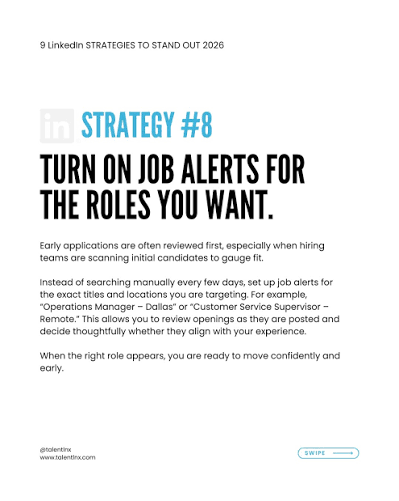
Plenty of freelancers ignore LinkedIn, assuming it’s only useful for people hunting full-time jobs. That’s a mistake. Learning how to genuinely find freelance clients on LinkedIn can build a more consistent pipeline than constantly chasing gig marketplaces with race-to-the-bottom pricing.
Direct answer: To find freelance clients on LinkedIn effectively, optimize your profile around client outcomes rather than job titles, engage genuinely with your target audience’s content, share valuable insights consistently, and reach out with personalized, specific messages rather than generic pitches.
Rewrite Your Profile Around Client Results, Not Job Titles
Most freelancer profiles read like a resume. That’s the wrong approach for attracting clients, who care about outcomes, not your career history.
- Headline should state who you help and how, not just your job title
- About section should focus on client problems you solve
- Add specific, measurable results from past client work where possible
Engage Genuinely With Your Target Audience’s Content
Direct answer: Consistently commenting thoughtfully on posts from your ideal client audience — not generic “great post!” comments, but genuine insights — builds visibility and trust over time, often leading potential clients to check your profile and eventually reach out directly.
I’ve noticed freelancers who spend 15-20 minutes daily genuinely engaging with relevant posts get noticed far more than those who only post their own content occasionally.
Share Content That Demonstrates Real Expertise
Posting your own insights, case studies, or lessons learned positions you as knowledgeable, not just available for hire.
- Share specific lessons from actual client projects, anonymized if needed
- Post practical tips your target audience would genuinely find useful
- Avoid overly promotional posts that just say “hire me”
[link to related guide on freelance pricing here]
Personalize Your Outreach Messages
Generic connection requests and pitches get ignored constantly. A message referencing something specific about the person or their business performs dramatically better.
Direct answer: Personalized outreach messages that reference something specific about the potential client’s business or recent content significantly outperform generic pitches when trying to find freelance clients, since they demonstrate genuine interest rather than mass-messaging.
- Reference a specific post, project, or company detail
- Keep the initial message short and genuinely helpful, not salesy
- Suggest a small, low-commitment next step, not an immediate sales pitch
Use LinkedIn’s Search Features Strategically
LinkedIn’s search functionality lets you find specific job titles, industries, or company sizes matching your ideal client profile.
- Search for decision-makers at companies matching your target client profile
- Use filters for industry, company size, and location relevant to your niche
- Save searches to regularly find new potential connections
Ask for Recommendations From Past Clients
Genuine recommendations on your profile build credibility faster than almost anything else you can control directly.
- Ask satisfied past clients specifically, rather than hoping they’ll offer
- Request recommendations that mention specific results or outcomes
- Return the favor when appropriate for genuine business relationships
Join and Participate in Relevant LinkedIn Groups
Industry-specific groups often contain concentrated pockets of your ideal client base, actively discussing relevant problems you could solve.
Be Patient — This Builds Momentum Over Time
Unlike gig marketplaces offering instant, low-paying jobs, LinkedIn relationship-building takes weeks or months to show real results, but tends to attract higher-quality, better-paying clients.
FAQ
How long does it typically take to find freelance clients through LinkedIn? Most freelancers see meaningful results within 2-3 months of consistent profile optimization, engagement, and outreach efforts.
Should I have a large network to successfully find freelance clients on LinkedIn? Not necessarily — a smaller, targeted network of genuinely relevant connections often outperforms a huge but irrelevant one.
Is it better to post content or focus on direct outreach? Both work together well — content builds visibility and trust over time, while direct outreach creates immediate, specific opportunities.
How do I write a LinkedIn message that doesn’t sound like spam? Reference something specific about the recipient’s business or content, keep it short, and avoid immediately pitching your services aggressively.
Can beginners with no portfolio still find freelance clients on LinkedIn? Yes, by sharing genuine insights and engaging authentically, even without an extensive portfolio, credibility can be built gradually over time.
Conclusion
Learning to genuinely find freelance clients on LinkedIn comes down to consistent, authentic effort — optimizing your profile around client results, engaging genuinely, sharing real expertise, and personalizing outreach. It’s slower than gig marketplaces initially, but tends to attract better, more stable client relationships over time. Start this week by rewriting just your headline and about section around client outcomes, then commit to daily engagement for the next 30 days.