A vehicle is often more than a way to get from one place to another. It might be the car someone saved for over several years, a daily driver that makes the working week easier, or a weekend vehicle that brings a little excitement to an ordinary Saturday. Whatever its purpose, keeping it looking good takes effort. Sunlight, road debris, scratches, and everyday wear can gradually affect the finish, even when the owner takes reasonable care.
At the same time, many drivers want their vehicles to reflect their personality. Some prefer a subtle change, while others enjoy a bolder appearance that stands out in a parking lot. Modern automotive films offer ways to approach both goals, from helping protect painted surfaces to changing the look of selected panels or the entire vehicle.
The important part is understanding what each option is designed to do. Paint protection products and decorative wraps can look similar from a distance, but they serve different purposes. Choosing the right one begins with deciding whether protection, appearance, or a combination of both matters most.
Understanding Paint Protection Before Damage Happens
A vehicle’s paint faces plenty of small hazards. Loose stones can strike the front bumper, grit can collect around wheel arches, and repeated contact with bags or clothing may leave marks near door handles. Even careful drivers cannot avoid every source of wear.
One option worth considering is ppf paint protection film, a transparent or nearly transparent film designed to help shield painted surfaces from certain everyday hazards. It is commonly applied to high-impact areas such as the front bumper, hood, side mirrors, and fenders. Depending on the product, it may help reduce the effects of light scratches, stone chips, and surface abrasion.
Paint protection film is not indestructible, and it cannot prevent every kind of damage. A severe impact may still mark the film or affect the paint underneath. However, when properly selected and installed, it can provide an additional layer between the original finish and the conditions a vehicle encounters on the road.
Coverage is a personal decision. Some owners protect only the areas most likely to experience damage, while others prefer broader coverage. The right choice depends on driving habits, the vehicle’s value, local road conditions, and the amount someone is comfortable investing in maintenance.
Changing the Look With Automotive Wraps
Not every vehicle owner is focused on protection. Sometimes the goal is simply to create a different appearance without committing to a permanent paint change. A wrap can introduce a new color, finish, or visual style while allowing the original paint to remain beneath the material.
A quality vinyl wrap film is available in a wide range of colors and finishes, including gloss, matte, satin, metallic, and specialty effects. That variety gives drivers room to experiment. Someone with a dark sedan might choose a satin finish for a restrained, modern look, while another owner may prefer a brighter color that makes the vehicle feel completely different.
Wraps can also be useful for businesses. A branded vehicle can display a company’s identity while traveling between appointments or deliveries. For personal vehicles, the appeal may be more about individuality. Neither purpose requires an elaborate design; sometimes a simple color change is enough to make a vehicle feel fresh again.
The condition of the existing paint matters before installation. Wrap material generally performs best on a clean, sound surface. Peeling paint, rust, or damaged clear coat can affect the result and may become more noticeable once the film is applied. A professional inspection helps identify these issues before work begins.
Adding Texture and a More Technical Appearance
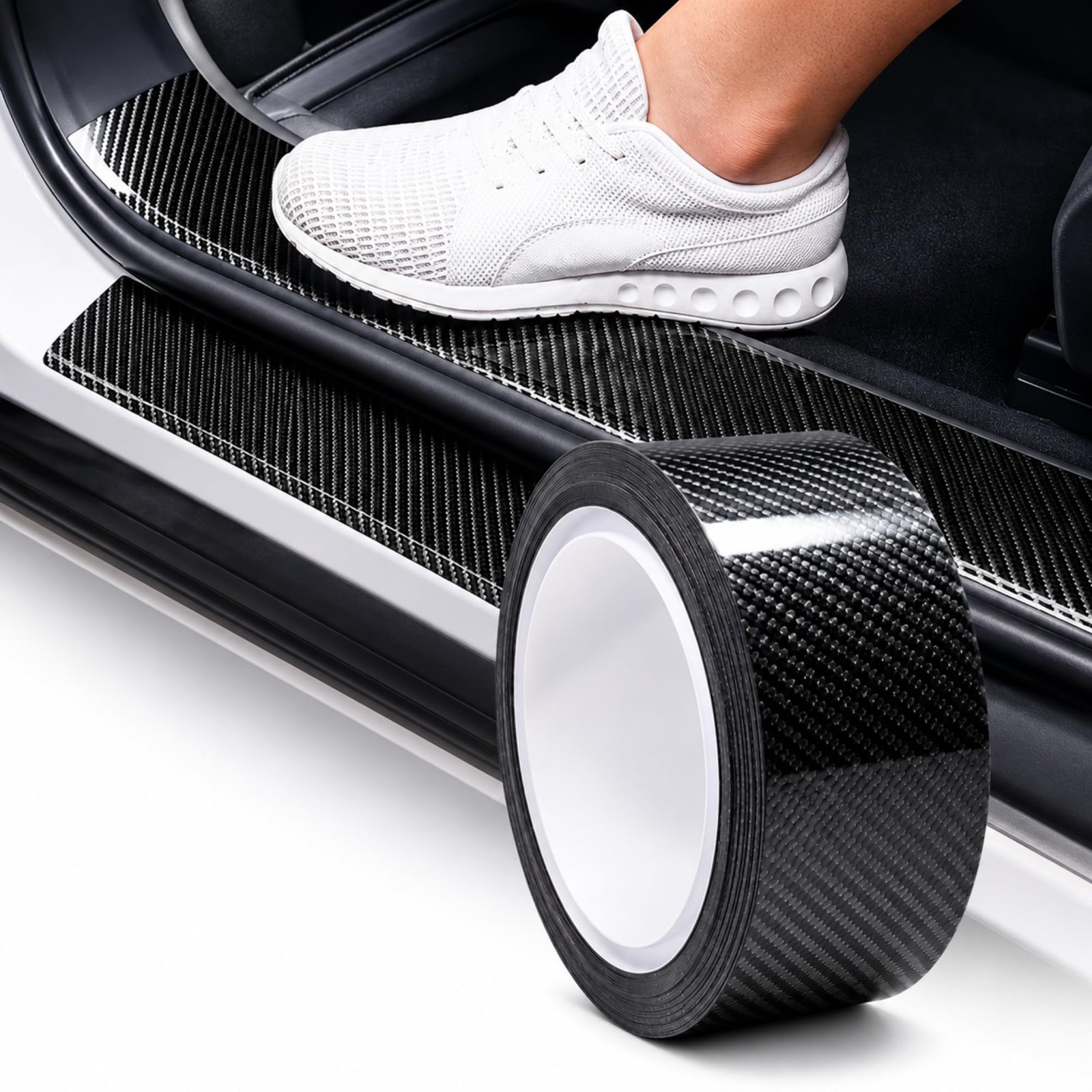
Some finishes imitate materials associated with performance vehicles and motorsport design. Carbon-fiber patterns are a popular example, often used to create a more technical look on mirror caps, interior trim, spoilers, dashboards, or other selected surfaces.
A carbon fiber wrap film can provide the visual effect of carbon-fiber weave without requiring the owner to replace a component with an actual carbon-fiber part. It can be an appealing option for drivers who want a coordinated appearance but would rather avoid the expense of changing multiple components.
The quality of the pattern and finish makes a difference. A convincing design should look consistent across the panel, with the weave aligned sensibly rather than appearing stretched or awkwardly interrupted. Curved areas and complex shapes can be particularly challenging, so installation experience matters.
It is also useful to distinguish a decorative wrap from a functional replacement part. A film that looks like carbon fiber does not provide the structural properties of real carbon fiber. It changes appearance, not the underlying strength or performance of the component. That distinction is worth remembering when comparing products.
Choosing Between Protection and Appearance
Paint protection film and decorative wraps can sometimes be used on the same vehicle, but they should not be treated as interchangeable products. Protection film is primarily intended to help guard the surface, while a decorative wrap is usually chosen for its visual effect. Product specifications vary, so it is important to confirm what a particular film is designed to deliver.
Some owners choose protection film for high-impact areas and use a decorative wrap elsewhere. Others prefer to keep the factory paint visible and focus only on protection. A person who enjoys changing colors every few years may prioritize a wrap, while someone who wants to preserve a newer vehicle’s original finish may lean toward protective coverage.
Budget is only one part of the decision. Consider how long the vehicle will be kept, where it is usually parked, how much highway driving it does, and how frequently its appearance is likely to change. A well-chosen installation should suit the owner’s habits rather than simply follow the latest trend.
Why Installation and Surface Preparation Matter
Even premium film can disappoint if the surface has not been prepared properly. Dust, grease, moisture, or damaged paint can interfere with adhesion. Poor installation may result in bubbles, lifting edges, visible seams, or material that does not sit neatly around curves.
Before choosing an installer, ask about experience with the specific product and vehicle type. Review examples of completed work, discuss the expected timeline, and clarify what the quote includes. It is also reasonable to ask about warranty coverage and the conditions that may affect it.
After installation, follow the manufacturer’s care instructions. Different films may have different requirements for washing, drying, and exposure to cleaning chemicals. Avoid assuming that every product can be maintained in exactly the same way. Gentle cleaning and prompt attention to damaged areas can help keep the finish looking its best.
Looking After the Investment Over Time
Films can help make vehicle ownership more flexible, but they still need sensible care. Regular washing removes dirt that might otherwise build up, while periodic inspections can reveal lifting edges or other issues before they become more serious. If a section becomes damaged, consult the installer about repair or replacement rather than trying an unfamiliar fix.
It is also worth keeping realistic expectations. No film makes a vehicle immune to scratches, impacts, or environmental wear. The benefits depend on the product, the installation, and the conditions in which the vehicle is used.
A Vehicle That Suits Your Priorities
The best automotive film is the one that serves a clear purpose. Protection film may help preserve the original finish, decorative wraps can transform the vehicle’s appearance, and textured finishes can add distinctive details without replacing the underlying parts.
Take time to compare materials, understand their limitations, and speak with an experienced installer before making a decision. With the right preparation and care, automotive films can help drivers balance appearance and protection while keeping their vehicles personal, practical, and enjoyable to own.