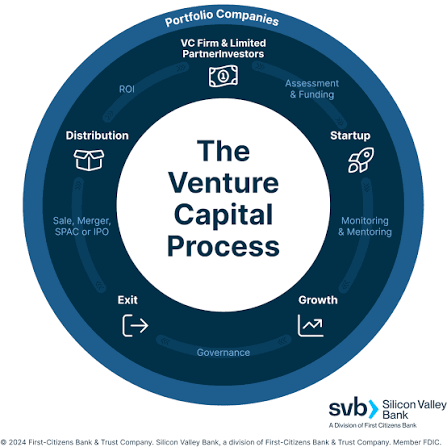
There’s this myth that every startup needs a Shark Tank moment to survive. It’s just not true. Plenty of founders raise solid seed funding for startups without ever pitching a venture capital firm — and honestly, some of them are better off for it. VCs want equity, control, and eventually an exit. Not every founder wants to give that up in year one.
Direct answer: Seed funding for startups can come from sources like angel investors, revenue-based financing, government grants, crowdfunding, and bootstrapping — all of which often let founders retain more ownership and control than traditional VC funding.
Start With Bootstrapping, Even If It’s Uncomfortable
Bootstrapping means funding your business with personal savings, early revenue, or small loans from family. It’s slow. It’s stressful. But it’s also the cleanest form of ownership you’ll ever have.
Founders who bootstrap tend to make sharper spending decisions because every rupee actually hurts to spend.
Angel Investors Are Often More Founder-Friendly
Angel investors are individuals, often experienced entrepreneurs themselves, who invest smaller amounts than VCs in exchange for equity.
- Look for angels within your specific industry — they bring more than just money
- Angel networks in cities like Bengaluru and Delhi actively look for early-stage founders
- Expect to give up 5-15% equity typically, though this varies widely
Unlike VCs, many angels genuinely want to mentor, not just monitor a spreadsheet.
Government Schemes Are Underused
In India specifically, there are several government-backed schemes offering seed funding for startups — Startup India Seed Fund Scheme being the most well-known one.
Direct answer: The Startup India Seed Fund Scheme offers early-stage startups funding up to ₹50 lakh through recognized incubators, aimed at proof of concept, prototype development, and market entry — with far less equity dilution than typical VC deals.
Most founders don’t even apply because the paperwork feels intimidating. That’s honestly the only real barrier.
Revenue-Based Financing Is Gaining Ground
This model lets you raise money against future revenue instead of giving up equity. You repay a percentage of monthly revenue until the agreed amount plus a fee is paid off.
It works particularly well for startups with predictable recurring revenue, like SaaS products or subscription businesses.
[link to related guide on startup financial planning here]
Crowdfunding Can Validate and Fund Simultaneously
Platforms let you raise small amounts from many people, often in exchange for early product access or rewards rather than equity.
The real bonus here isn’t just the money — it’s proof that real people want what you’re building. That validation matters more than most founders realize before their first campaign.
Friends and Family Rounds — Handle With Care
This is one of the oldest forms of seed funding for startups, and also one of the riskiest for relationships.
- Always put agreements in writing, even with close family
- Be brutally honest about the risk of losing the money entirely
- Treat it as seriously as you would an outside investor’s money
I’ve seen this go wrong more times than I’d like to admit. Money and family relationships don’t always mix well.
Startup Incubators and Accelerators
Many incubators offer small grants or seed checks alongside mentorship and office space. Programs run by IITs, IIMs, and private accelerators are worth researching seriously.
Build Traction Before You Ask for Money
Whichever route you choose, having even small traction — early users, a working prototype, initial revenue — massively improves your odds.
Direct answer: Investors and lenders, regardless of the funding type, respond far better to startups that can show real user interest or early revenue rather than just an idea on a slide deck.
FAQ
How much seed funding does a typical startup need? It varies hugely by industry, but most early-stage startups raise between ₹20 lakh to ₹2 crore in their seed round.
Is bootstrapping better than raising seed funding for startups? Neither is universally better — bootstrapping preserves ownership but slows growth, while outside funding accelerates growth but dilutes control.
How long does raising seed funding usually take? Typically 2-6 months from first investor conversations to funds actually reaching your account, sometimes longer for government schemes.
Do angel investors expect a board seat? Not always, though many do request some involvement, like advisory rights or regular updates, depending on investment size.
Can a startup combine multiple funding sources? Yes, and many successful startups do exactly this — combining a small government grant with angel money and bootstrapped revenue.
Conclusion
Raising seed funding for startups doesn’t have to mean chasing a VC term sheet. Angels, government schemes, revenue-based financing, and even a well-run crowdfunding campaign can get you there — often with better terms and less pressure. Start by figuring out how much you actually need, not how much sounds impressive, and pick the funding route that matches your business model best. The right money is the money that lets you sleep at night.